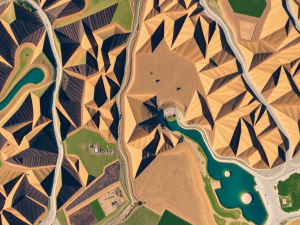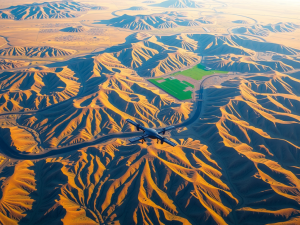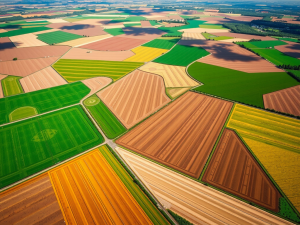

The rise of drone technology has transformed the landscape of photography, allowing for the exploration of angles that were previously unattainable. Drones, equipped with high-resolution cameras, facilitate unique aerial images that rival those captured by more traditional aircraft like helicopters.
The ability to capture better perspectives quickly enhances the creative possibilities for photographers while reducing logistical challenges associated with accessing remote locations.
Automated flight paths further streamline the process of obtaining aerial photography, yielding consistent and reliable results.
This capability enables the incorporation of advanced imaging techniques such as multispectral and thermal imaging, providing a detailed view of diverse landscapes.
The integration of photogrammetry allows users to create precise 3D models from UAV captures, which can serve both artistic and analytical functions. Consequently, this technology not only elevates the quality of images but also supports applications in industries ranging from construction to environmental monitoring, where data collection and visualization are critical. As photographers familiarize themselves with drone operation, mastering your drone’s camera settings becomes essential for achieving optimal aerial photography results, allowing you to capture better images and breathtaking landscapes from unique perspectives.
Click here to learn more about: contact
Mastering Your Drone S Camera Settings
Achieving high-quality aerial imagery relies on a solid understanding of camera configurations essential for effective mapping efforts. The shutter speed significantly influences how motion appears in your shots; a quicker setting can freeze action, while a slower adjustment may create captivating motion blur, ideal for dynamic scenes.
Manipulating the focal length can alter the perspective, tailoring the field of view for expansive landscapes or tighter compositions.
The impact of ISO extends beyond exposure control, directly affecting image noise, particularly in lower light scenarios such as during a sunset.
Accurate white balance is crucial for true-to-life color representation, which substantially affects the data’s utility across varying weather conditions. By grasping these elements, photographers can adeptly adjust their settings according to distinct conditions and objectives, ultimately enhancing the quality of their aerial photography

Tips For Capturing Stunning Aerial Views
Stunning views captured from the sky combine artistry and technical know-how. Achieving remarkable results in aerial photography requires a balance of skill and environmental awareness.
Mastering the camera settings on your drone is a fundamental step for high-quality outputs.
Flight conditions play a significant role in image quality; light winds and clear skies can enhance clarity and detail.
Interestingly, the golden hour— the period shortly after dawn or before dusk— provides soft lighting that can elevate color vibrancy dramatically, yet many photographers miss this opportunity.
Varying angles during your shoot can profoundly impact the visual appeal of your images. High and low perspectives introduce depth, while off-axis shots often create dynamic compositions, diverging from traditional methods.
Incorporating advanced technologies, such as multispectral sensors, can greatly enrich your aerial photo, allowing for detailed analysis in various industries, including construction and agriculture. Post-processing techniques also enhance the final product, ensuring that your work stands out in a crowded field.
Effective flight planning is indispensable for a seamless capturing process.
Pre-flight checks and carefully mapped out flight paths streamline operations, leading to higher-quality results.
This level of preparation is particularly beneficial for applications such as drone mapping and surveying services, which demand precision and reliability. Each phase of planning and execution plays a vital role in ensuring the success of aerial photography, whether capturing stunning images from an airplane or helicopter, as it requires meticulous attention to speed, memory, and exposure, much like strapping on a seat belt before takeoff in the Royal Air Force, to properly utilize the lens and space available.
Best Practices For Aerial Photography
Success in capturing high-quality aerial images hinges on preparation and an understanding of various influencing factors. Familiarizing oneself with the chosen shooting location is imperative.
Elements such as altitude and terrain can greatly affect the clarity of photographs.
Employing flight planning tools allows photographers to optimize flight paths, ensuring effective coverage for expansive areas.
The selection of a drone is pivotal in determining the quality of aerial photographs.
Different models are tailored for specific conditions, which can impact the final output significantly. When choosing a camera body, it is crucial to prioritize higher resolution and superior lens quality to achieve intricate details in images.
Drone operators must also comply with local regulations, including obtaining necessary permits for commercial use.
Weather conditions are a significant factor in taking stunning aerial shots. Operating during optimal lighting situations, like the golden hour, can considerably enhance photo quality.
Following the flight, utilizing appropriate software for image editing and processing is vital to ensure collected data meets professional standards.
For photographers engaged in aerial survey and UAV mapping services, these practices not only aid in capturing compelling visuals but also contribute to the accuracy and precision of data collection across diverse industries such as construction and environmental monitoring.
Moving forward to capture exceptional aerial photographs, an important aspect to consider is how shutter speed affects imagery. Adjusting this setting is crucial for capturing stunning aerial images with the drone, ensuring the photographer achieves the perfect shutter speed and aperture for the desired focal length and altitude, while also managing the ISO and memory card capacity for optimal aerial photographs.
Understanding Shutter Speed For Aerial Shots
Capturing high-quality images from the sky hinges on manipulating various camera settings effectively. Shutter speed determines how long the camera sensor is exposed to light, influencing both exposure and motion blur.
A quick shutter speed can freeze fast-moving subjects, while a slower speed may produce a dreamy blur, which can be appealing for conveying a sense of movement.
Adjustments are particularly important for aerial photography, where environmental factors such as lighting and altitude play pivotal roles.
For instance, as you ascend to greater heights, swift adjustments may be necessary to prevent motion blur from wind interference. The speed of subjects like vehicles or wildlife can dictate the need for faster settings to ensure clarity.
Experimenting with different speeds can significantly enhance your ability to capture better images in varied conditions, enriching your photography flight experience. Unique insights reveal that manipulating shutter speed can greatly affect the overall image quality in aerial contexts, providing crisper visuals when properly executed.
As you prepare for an aerial photography tour, always consider that successful outcomes in capturing stunning aerial views rely heavily on meticulous planning and practice.
How To Plan Your Aerial Photography Flight
Successful aerial imaging requires meticulous preparation that goes beyond the simple act of launching a drone. Begin by clearly articulating your objectives; whether you’re shooting for documentation, artistic expression, or precise mapping, your aims will influence both your equipment choices and the planned flight path.
Understanding these goals allows for effective visual storytelling through your images.
Familiarity with the area to be photographed is another essential element in the planning process.
Conduct thorough research on local regulations and the topography of the site, as well as identifying any potential hazards, such as power lines or unpredictable weather patterns, which can impact safety.
Utilizing advanced mapping software can significantly enhance your ability to plan a precise flight route; this not only aids in capturing aerial images but also improves efficiency in data collection. It’s also beneficial to remember that different projects may require different techniques, such as photogrammetry or multispectral imaging, to ensure accuracy.
Before you commence your flight, perform comprehensive pre-flight checks to confirm that both your drone and camera settings are tailored to the specific conditions you are likely to encounter during your aerial shoot.
With the groundwork laid, you’ll want to transition smoothly into considering the essential gear required for capturing high-quality aerial photographs. Selecting the right equipment enhances the overall effectiveness of your aerial photography, as everything you’re shooting from a high altitude depends on what you’re using, so you’ll want to ensure your camera settings are optimal and you’re mindful of glare while wearing dark clothing to avoid distractions.
Essential Gear For Aerial Photographers
The success of capturing striking visuals from above relies heavily on the appropriate equipment tailored to specific conditions and requirements. Selecting high-quality drones enhances the ability to shoot aerial images with exceptional clarity, particularly models like the DJI Mavic series which are known for their impressive camera capabilities.
For professional aerial photographers, utilizing two camera bodies proves beneficial, allowing for versatility in lenses for aerial photography that can enhance depth of field and detail.
Image stabilization gear, such as gimbals, plays a significant role as it reduces vibrations, ensuring smooth footage, especially during dynamic shoots.
Employing filters like ND or polarizing types improves color saturation and helps mitigate glare, which is particularly useful during the middle of the day when harsh sunlight may wash out finer details. Familiarity with local regulations and no-fly zones is fundamental, enabling photographers to concentrate on producing the best aerial photographs taken without unnecessary interruptions.
Aerial Photography
- High-quality drones, like the DJI Mavic series, are known for their exceptional camera capabilities.
- Utilizing two camera bodies allows professional photographers to use versatile lenses, enhancing depth of field and detail.
- Image stabilization gear, such as gimbals, significantly reduces vibrations for smoother footage.
- Filters like ND or polarizing types improve color saturation and mitigate glare, especially in harsh sunlight.
Techniques For Better Aerial Composition
Capturing stunning images from an elevated perspective requires a blend of creative vision and technical expertise. Utilizing a specific camera feature like high dynamic range (HDR) imaging can significantly enhance the clarity and depth of photographs from an aircraft.
This approach allows for the combination of multiple exposures, thus broadening the spectrum of light and color captured in each shot.
It is important to know that varying altitude can dramatically alter the perception of the landscape below.
For instance, a higher vantage point presents a sweeping overview of expansive areas, while closer distances provide a more intimate and detailed perspective.
Incorporating identifiable landmarks in your photographs can also be instrumental in conveying scale and orientation.
Mastering these tips will help you master the art of composition, enriching both the visual appeal and the informative value of your aerial imagery.
In addition, awareness of environmental factors is crucial.
Checking the weather prior to your flight can lead to optimal conditions, as clear skies and minimal wind are preferable for capturing sharp images.
Planning your shoot at different times of day can also influence the quality of light and the resulting atmosphere of your images.
Ultimately, effective aerial photography goes beyond technical skills; it encompasses an understanding of composition principles and the unique elements of each flight opportunity.
Choosing The Right Time For Aerial Photography
Optimal timing can greatly enhance the effectiveness of aerial photography, playing a significant role in the overall quality and appeal of the images captured. Lighting conditions shift throughout the day, which impacts detail visibility within your shots.
For example, the golden hour, occurring shortly after sunrise or before sunset, tends to provide an exceptional range of colors and contrasts in photographs.
It is important to wear dark clothing to reduce unwanted reflections that might distract from the subject matter.
Seasonal variations introduce distinct color palettes; autumn often offers brilliant foliage, while winter presents a clean, minimalist aesthetic. Weather conditions are another influential factor; planning shoots during times of clear skies can minimize visibility issues, allowing you to capture a range of points of interest without disruptions.
Operational efficiency should also be a consideration; specific times might provide better access to desired locations and fewer conflicts with air traffic, which can be crucial for those needing accurate data collection in fields like construction and environmental monitoring.
Aerial Photography
- The golden hour enhances color and contrast in photographs, making images more visually appealing.
- Wearing dark clothing minimizes reflections, allowing for clearer subject focus in aerial shots.
- Seasonal changes provide unique color palettes, such as vibrant autumn foliage or a clean winter aesthetic.
- Clear weather conditions improve visibility, facilitating better data collection and access to shooting locations.
3D Mapping Technology Visualize 3D Maps
Geospatial Data Analysis Trends 2024 Insights On GIS Evolution