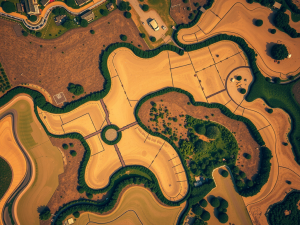

The evolution of technology has significantly enhanced the efficiency of collecting data from high above. Implementing sound techniques while conducting surveys is fundamental for ensuring precision in results.
Selecting an unmanned aerial vehicle requires careful thought about variables such as camera technology and flight duration to optimize your survey.
The stability of the propeller plays a vital role in acquiring clear imagery from aerial perspectives.
Strategically planning your flight path can streamline operations and boost the effectiveness of data gathering. Employing methods like photogrammetry and real-time kinematic positioning empowers users to obtain high-quality information crucial for thorough analysis.
Each endeavor reveals insights that contribute to refining future mapping projects.
Understanding Aerial Mapping Techniques
Gathering precise geographical information significantly impacts various industries and applications. With advancements in technology, methods have evolved to enhance data collection processes for tasks such as urban planning and environmental monitoring.
Every detail matters, as inaccuracies in measurement can have far-reaching consequences.
A range of sensors, including UAVs and satellites, are employed in these pursuits.
Each technology offers distinct advantages and challenges regarding accuracy and cost-effectiveness. When planning a mapping project, aspects such as image resolution and environmental factors demand careful assessment.
Innovative software tools are fundamental for transforming raw data into actionable insights, leading to informed decision-making. Transitioning from best practices in drone survey techniques to the best tools for effective surveying ensures a robust approach to aerial mapping.

Best Tools For Drone Surveying
Choosing the appropriate instruments for aerial projects is fundamental to enhancing overall efficiency and accuracy. High-resolution cameras and cutting-edge sensors contribute to precise mapping, ensuring that various topographies are captured effectively.
Robust software solutions for data processing further enable users to interpret aerial images with clarity.
When assessing drone models, it’s important to consider aspects like flight time and payload capacity to achieve peak performance.
Compliance tools also serve a significant purpose, assisting in meeting regulatory standards while emphasizing adherence to best practices throughout the surveying process.
Aerial Projects
- High-resolution cameras can capture details as small as a few centimeters, enhancing mapping accuracy.
- Advanced sensors such as LiDAR can create 3D models of terrain, providing precise topographical data.
- Software solutions can process aerial imagery in real-time, allowing for immediate data interpretation and decision-making.
- Drone models with longer flight times can cover larger areas in a single mission, improving operational efficiency.
Enhancing Data Accuracy With Drones
The introduction of unmanned aerial vehicles has transformed data collection methods, enhancing the way professionals analyze information. Utilizing RTK technology allows surveyors to achieve remarkable measurement accuracy across expansive terrains.
This advanced approach relies on real-time kinematic positioning, which significantly boosts the reliability of the information gathered.
Incorporating traditional ground control points as reference markers further refines data processing, making it both efficient and precise.
The capacity to generate intricate 3D models and conduct photogrammetry enables experts to visualize data like never before. Consequently, the adoption of drone flight for information gathering has become routine across various sectors
Key Benefits Of Aerial Imagery
The use of advanced imagery significantly transforms how various sectors manage land surveying. High-resolution visuals enhance data collection, yielding important insights for diverse projects.
By effectively covering large areas, teams minimize the time spent on logistics, allowing a greater focus on analysis.
An additional benefit is the improved project visualization.
Detailed mapping capabilities enable stakeholders to engage more effectively, enhancing decision-making processes. The integration of drone technology with advanced mapping software results in comprehensive perspectives.
This synergy leads to more efficient surveying projects and higher-quality results. Transitioning from enhancing data accuracy with drones to optimizing your flight path can further improve the effectiveness of these surveying efforts.
| Benefits of Advanced Imagery | Impact on Land Surveying |
|---|---|
| High-resolution visuals enhance data collection | Yield important insights for diverse projects |
| Effective coverage of large areas | Minimizes time spent on logistics |
| Improved project visualization | Enhances stakeholder engagement and decision-making |
| Integration of drone technology | Results in comprehensive perspectives and higher-quality results |
Optimizing Your Flight Path
Effective aerial operations are pivotal for achieving high-quality results in your projects. Efficient navigation through the skies ensures not only safety but also data integrity during your surveys.
Analyzing the terrain is fundamental; evaluate the topography to identify the most effective flight path.
Keep a close eye on weather conditions, as wind patterns can disrupt your drone’s stability.
When planning coverage for aerial surveying, utilizing mapping software is crucial.
It allows you to determine the altitude and overlap settings necessary for collecting comprehensive drone data. By applying these best practices for drone operation, you set the groundwork for remarkable results in your surveying and mapping projects.
These techniques seamlessly bridge the insights gained from aerial imagery to the equipment needed for successful surveys.
Essential Equipment For Successful Surveys
Acquiring the right tools is fundamental to ensuring successful survey outcomes. When embarking on mapping and surveying projects, the choice between fixed-wing and multi-rotor drones can significantly influence the overall data quality.
Considering payload capacity is important, as it dictates what types of equipment and sensors can be utilized.
When selecting cameras and sensors, the level of detail required in your drone images should inform your choices.
Incorporating GPS and RTK systems can enhance the precision of the captured data, making it more reliable for analysis. Don’t overlook the importance of safety equipment and thorough pre-flight checks to guarantee safe drone operations before launching into the air.
Effective Data Processing Workflows
Optimizing processes for handling data is fundamental for leveraging the value of the information gathered. Efficient procedures enable organizations to capture aerial data effectively, leading to informed decision-making.
Each phase, from initial data gathering to thorough analysis, requires careful execution.
Data collection techniques significantly impact the accuracy and relevance of the information obtained.
Transitioning smoothly between stages demands a comprehensive understanding of the workflow.
Staying committed to best practices, such as employing automation and fostering continuous feedback, can dramatically enhance each step within the surveying process.
Tackling obstacles directly allows teams to improve their workflows for upcoming projects, ensuring they achieve the best results.
Utilizing 3D Models For Analysis
Innovative approaches are transforming how various fields conduct their assessments. Enhanced visualization capabilities allow decision-makers to grasp intricate scenarios with greater ease.
Integrating drone imagery with traditional data processing workflows elevates the accuracy of analyses significantly.
The surveying industry has recognized the benefits of using drones to streamline their operations.
With precise drone captures, teams can visualize and interpret data in a short timeframe, resulting in deeper insights. As advancements continue, the future of photogrammetry drone applications appears even more promising.